
A small local state deserves a clear map.
This policy describes the built Runway Twelve Android app and this static two-page companion site. It separates app behavior, page behavior, and external organization information instead of blending them into a generic privacy promise.
- Effective
- August 25, 2026
- App mode
- Offline
- User entry
- Predefined choices only
- Reset
- Inside Flightcase

Policy scope
This policy covers the Runway Twelve Android app and the files in its companion static website package. It explains what the app can save locally, what it cannot collect or transmit, how the page-level Scope Prism behaves, and where external infrastructure begins.
It does not describe Frontier Cascadia's own websites, forms, event systems, communications, registration tools, or publisher-controlled app-store services. Those surfaces may have separate behavior and terms.
The app this policy covers
Runway Twelve is an independently authored offline project-shaping companion. It contains Scope Prism, one locally saved Build Packet, an eighty-module Build Atlas, module detail chambers, a Flightcase, and an informational Frontier Context screen.
The app is not an official Frontier Cascadia event app. It does not provide registration, schedules, eligibility decisions, team formation, submissions, judging, prizes, waivers, mentoring, direct messages, emergency help, or organizational account access.

Purpose and intended experience
The app helps a maker rehearse a small project path. A user chooses one of six predefined options on each of four rails—signal, person, proof, and cut—and may lock those four numeric choices as a local Build Packet. The Atlas provides app-authored educational lenses, ten-minute moves, cautions, and reflection questions.
No score, ranking, submission, official rubric, eligibility result, or competition outcome is generated. A saved choice is a private reminder, not a statement about the user or an organization decision.
Information you provide
The Android app has no free-text field and does not ask for a name, age, school, email address, phone number, location, team roster, repository, source code, project idea, event details, contact message, payment data, photograph, recording, or file.
Tapping a predefined rail option, favorite control, or rehearsed control is an interaction with local app state. It is not sent to Frontier Cascadia, a publisher dashboard, or any remote service.

Local preferences the app saves
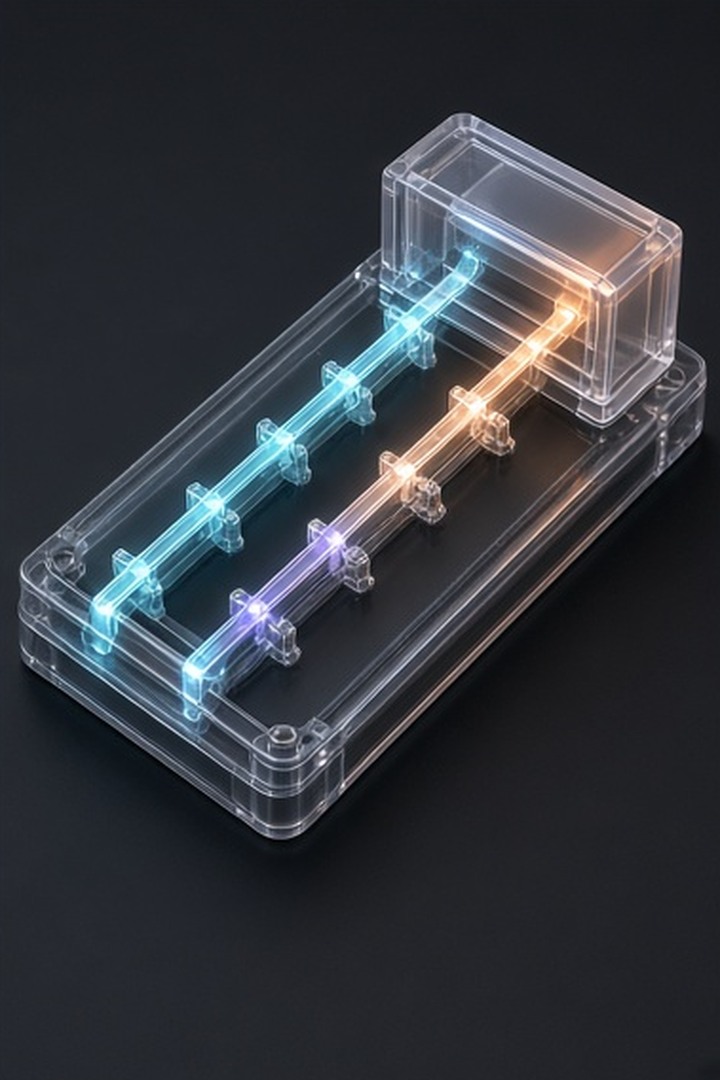
When a Build Packet is locked, the app stores four integers identifying the selected signal, person, proof, and cut options, plus a Boolean value indicating that a packet exists. It also stores sets of numeric Atlas module IDs that the user has favorited or marked rehearsed.
These values are held in the app's private Android SharedPreferences area on the device. The app does not store the displayed words as a user profile, infer identity from selections, attach timestamps or location, or create a history of every tap.
Information the app does not collect
The app does not collect personal information, contact information, device identifiers, advertising identifiers, IP addresses, precise or approximate location, contacts, calendar data, photos, audio, files, browsing history, purchase history, health data, financial information, credentials, crash telemetry, usage analytics, or user-authored project content.
It does not derive behavioral profiles, participation predictions, school affiliation, skill level, age, or interests. Built-in editorial text and artwork are package resources, not information collected from a user.
Device permissions
The release manifest does not request internet, camera, microphone, location, contacts, calendar, notifications, Bluetooth, nearby devices, storage, photo library, phone, SMS, accessibility service, or advertising permissions.
Android and the app store may display ordinary platform information about an installed package. That platform behavior is separate from an app permission and does not create a hidden Runway Twelve collection feature.
Accounts and identity
There is no sign-up, sign-in, social login, guest account, user handle, profile page, cloud identity, organization membership record, or cross-device sync. The app cannot identify a user to Frontier Cascadia or register anyone for an event.
A person who shares a physical device also shares access to whatever local packet and marks remain visible in the app. Use the Flightcase clear control or Android's app-data controls before handing the device to someone else when that local context matters.

Network behavior
The Android app has no internet permission, network client, WebView, remote API, cloud database, account endpoint, update feed, or embedded browser. All Atlas text and all in-app artwork are packaged with the installed app.
The Frontier Context screen displays frontiercascadia.org as plain guidance for current organization information. The app does not open, preload, monitor, or transmit to that address.
Analytics, advertising, and tracking
The app contains no analytics SDK, advertising SDK, attribution SDK, crash-reporting SDK, session replay, fingerprinting, marketing tag, referral tracker, or cross-app identifier. It does not create audiences, measure engagement remotely, or personalize content from observed behavior.
The static companion site files include no analytics script, ad tag, tracking pixel, cookie banner, service worker, form, fingerprinting code, or browser-storage call. Its interactive Scope Prism exists only in page memory and resets when the page is reloaded or closed.
Sharing, selling, and disclosure
Because the app does not collect or transmit personal information, it does not sell, rent, share, or disclose personal information to Frontier Cascadia, advertisers, analytics providers, data brokers, sponsors, schools, teammates, judges, or other users.
No remote recipient receives Build Packet choices, favorites, rehearsal marks, or app activity. The app has no export, public post, social share, submission, messaging, or organization-dashboard function.
Retention, clearing, and uninstalling
Local packet indexes and module-ID sets remain in private app preferences until the user chooses Clear Flightcase, clears Runway Twelve storage through Android settings, or uninstalls the app. The in-app clear action removes all of those saved values immediately and restores the default four rail selections.
The eighty built-in modules and their images remain because they are app package content rather than user data. Uninstalling removes the package according to Android's platform behavior.
Young users and family guidance
The editorial experience is relevant to student makers, including high-school-age users, but the app does not ask for age or attempt to verify it. It has no stranger contact, public posting, direct messages, purchases, donations, location sharing, camera use, or personalized advertising.
Families and trusted adults can discuss the modules without requiring a young person to reveal a private idea or project. Runway Twelve is not emergency, medical, mental-health, legal, educational-placement, or safety advice and cannot replace a responsible adult or official event guidance.
Sensitive ideas, projects, and code
Do not enter confidential ideas, personal records, source code, credentials, API keys, private repository links, unreleased designs, incident details, or identifying information because the app provides no place to enter them. Atlas prompts are meant to be considered privately or discussed using a separate surface chosen by the user.
Favoriting a module records only its numeric built-in ID. Marking a module rehearsed records only that numeric ID. Neither action stores the user's answer to the module's reflection question.
Device and package security
The app reduces exposure by avoiding personal-content entry, accounts, network permission, external SDKs, and broad device permissions. Local preferences use the app's private Android storage, and the release artifacts are signed so package identity and updates can be checked by the platform.
No software can promise absolute security. Device passcodes, operating-system updates, installation source, backups, malware, rooted or modified environments, and physical access remain under the control of the user and platform. The app does not encrypt the small preference set with a separate user secret.


Your controls and choices
A user may browse without locking a packet, change any rail before saving, replace the packet with a new selection, toggle favorite or rehearsed marks, clear the Flightcase, clear app data in Android settings, or uninstall. No consent switch is needed for analytics, advertising, marketing, notifications, or remote sharing because those behaviors are absent.
The website Scope Prism is a temporary demonstration. Reloading or closing the page clears it because the site code does not write cookies, localStorage, sessionStorage, IndexedDB, or a server record.
External organization information and links
References to Frontier Cascadia provide public context. Current organization or event questions should be checked on frontiercascadia.org. Following that website link leaves this static package; the external site's own privacy practices, hosting, forms, and terms then apply.
A host used to publish these static files may process ordinary web-request information such as IP address, user agent, requested path, and timestamp under the host's own practices. That infrastructure is not part of the Android app and is not configured by the static files delivered here.
Changes and contact boundary
If a future build adds a permission, network feature, account, user-content field, export, analytics, advertising, external SDK, or different retention behavior, the policy should be revised before that build is distributed. A new effective date should identify the change in plain language. Editing this page alone cannot change an already installed app.
The app has no inbox or support form. If it is published in an app store, use the developer contact supplied by the publisher on that listing for package-specific privacy questions. For official Frontier Cascadia matters, use the current contact route on its public website. No unpublished publisher contact or authority is invented in this package.
Clear behavior is part of the product.
Runway Twelve keeps its memory small enough to explain, inspect, and erase.
Return to the introduction